TSA Delays and Government Shutdown: What Chicago Suburban Travelers Need to Know
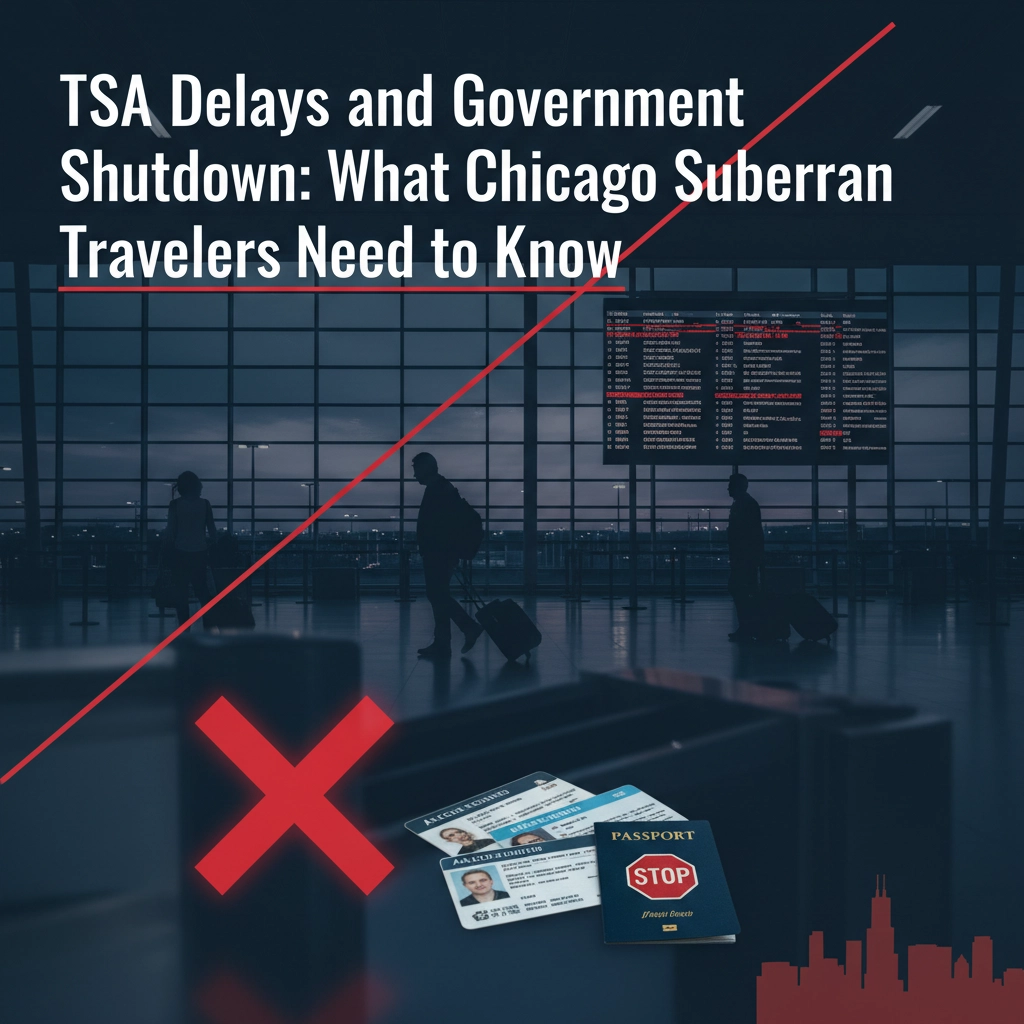
The ongoing government shutdown is creating serious headaches for travelers across the country, and Chicago-area airports are definitely feeling the impact. If you're planning to fly out of O'Hare or Midway in the coming weeks, you need to know what you're walking into.
What's Actually Happening Right Now
TSA agents are still showing up to work, but they're doing it without paychecks. That's a big problem when you consider these folks are already dealing with one of the most stressful jobs in aviation. The Transportation Security Administration is processing about 2.5 million passengers daily, but longer wait times are becoming the new normal.
Here's the reality check: when TSA officers don't get paid for weeks on end, some of them call in sick or start looking for other work. During the 35-day shutdown back in 2018-2019, about 10% of TSA workers called out sick. That translates directly to longer lines and more frustrated travelers.
Chicago Airport Delays Are Getting Worse
Both O'Hare and Midway are experiencing delays tied to TSA staffing issues and air traffic controller shortages. The FAA reports that controller absences are creating ripple effects throughout the entire aviation system, and Chicago's busy airports aren't immune.
Recent data shows thousands of flight delays happening daily across the country. Some airports are seeing cancellation rates affecting roughly 25% of their schedules. Southwest Airlines alone reported over 1,000 delays on several recent days, and that's just one carrier.
The problem isn't just security lines moving slowly. Air traffic control facilities are operating at reduced capacity, which means even if you get through security on time, your flight might still be delayed or canceled.
Real Numbers Behind the Delays
Security wait times that used to be 15-20 minutes are now stretching to 45 minutes or more at peak times. The TSA's MyTSA app isn't being actively updated during the shutdown, so you can't rely on it for accurate wait time predictions.
Some airports are publishing their own real-time security wait times on their websites, but coverage is spotty. Your best bet is calling ahead or checking social media for recent traveler reports from your specific terminal.
Flight delays are hitting all major routes. If you're flying from Chicago to anywhere on the East or West Coast, expect potential delays. International flights are seeing similar issues, with some passengers reporting 2-3 hour delays becoming routine.
The Domino Effect on Your Travel Plans
Here's what many travelers don't realize: these delays create a domino effect that impacts your entire trip timeline. Miss your connection because of a TSA delay, and suddenly you're stuck in an airport hotel overnight. That business meeting you planned? Now it's happening a day late.
The economic impact is staggering too. The travel industry is losing about $1 billion per week during this shutdown. Airlines are having to pay overtime to crews dealing with delays, and passengers are missing connecting flights left and right.
For suburban Chicago travelers, this means rethinking your entire airport strategy. That two-hour arrival buffer you used to rely on? It might not be enough anymore.
Smart Booking Strategies for Airport Transportation
This is where planning your ground transportation becomes crucial. With unpredictable TSA delays and potential flight cancellations, flexibility is your friend. Here's what we're seeing work for our clients:
Book your airport shuttle earlier than usual, but choose a service that offers flexibility if your flight gets delayed or canceled. Rigid pickup times don't work when flights are getting pushed back 3-4 hours.
Consider booking for an arrival time that's 3-4 hours before your scheduled departure, especially for international flights or early morning departures. Yes, it sounds excessive, but missing a flight because of TSA delays costs way more than arriving early.
When to Book Your Ride
Traditional advice says book airport transportation 24-48 hours in advance. During the shutdown, we're recommending booking at least a week ahead, but with flexible timing options.
Morning flights (before 10 AM) are seeing the worst delays because that's when business travelers typically fly. If you're flying out early, plan for extended security waits and consider staying near the airport the night before.
Evening flights aren't immune either. TSA staffing tends to thin out during shift changes, usually around 2-3 PM and again around 10-11 PM.
Weekend travel is slightly better, but only marginally. Don't count on weekend flights being your escape from shutdown delays.
What to Expect at Security Checkpoints
TSA agents are dealing with longer lines, frustrated passengers, and their own financial stress from not getting paychecks. Be patient and prepared. Have your documents ready, follow all standard procedures, and don't argue with agents who are already having a tough day.
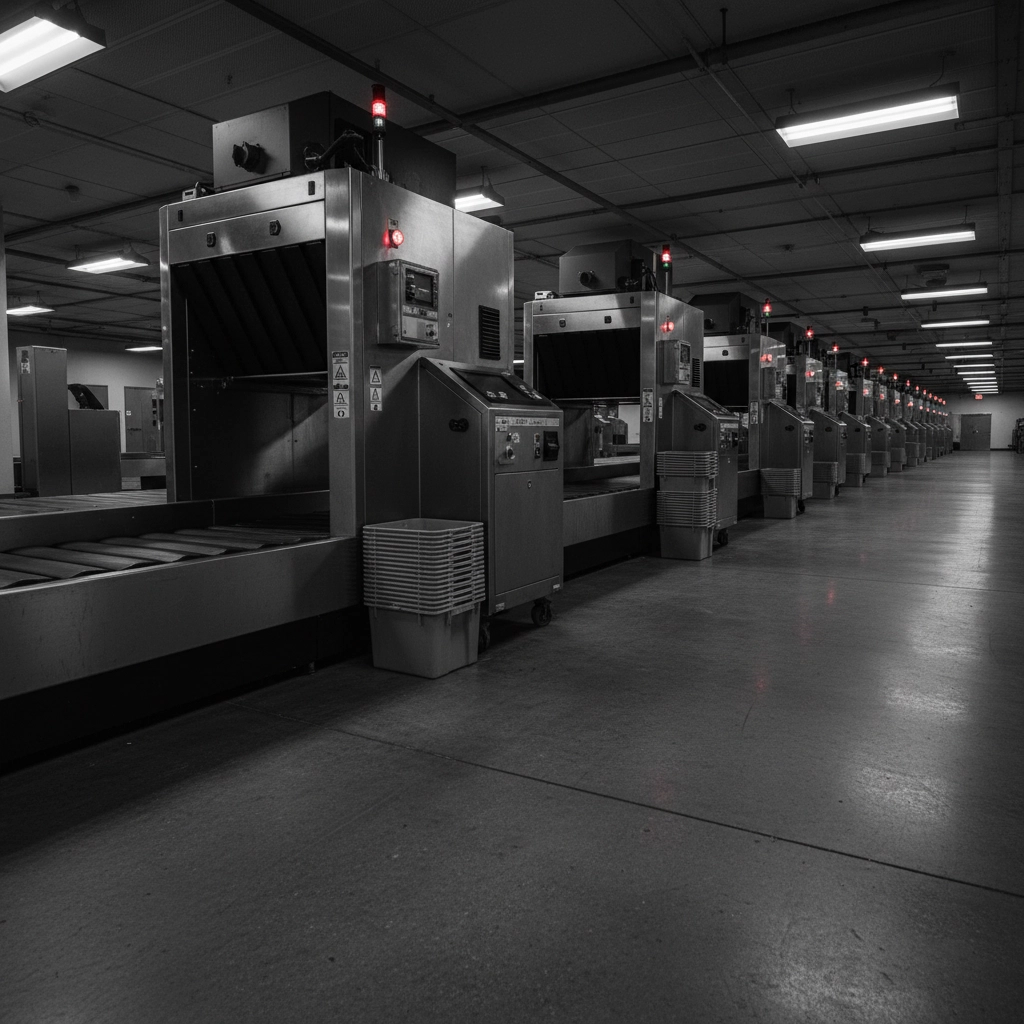
Some checkpoints are closing lanes due to staffing shortages. O'Hare's Terminal 1 has been particularly affected, with reports of 2-3 lanes closed during typically busy periods.
PreCheck lines are moving faster than regular security, but even those are taking longer than usual. If you don't have PreCheck, seriously consider signing up, though new applications aren't being processed during the shutdown.
Backup Plans You Need Right Now
Have a plan B for everything. If you're flying out for something important, consider booking a backup flight the next day. Airlines are waiving change fees in many cases due to the operational disruptions.
Keep ground transportation flexible too. If your flight gets canceled, you need to be able to adjust your pickup time or cancel altogether without massive penalties.
Consider alternative airports if possible. Sometimes flying out of Milwaukee or Indianapolis might involve less hassle, especially if you factor in potential delays and missed connections.
Practical Tips for Suburban Travelers
If you're driving yourself to the airport, add extra time for parking. Airport parking lots are seeing higher demand as people try to avoid the hassle of coordinating pickups around delayed flights.
For families traveling with kids, pack extra snacks and entertainment. What used to be a 30-minute security wait could easily become 90 minutes.
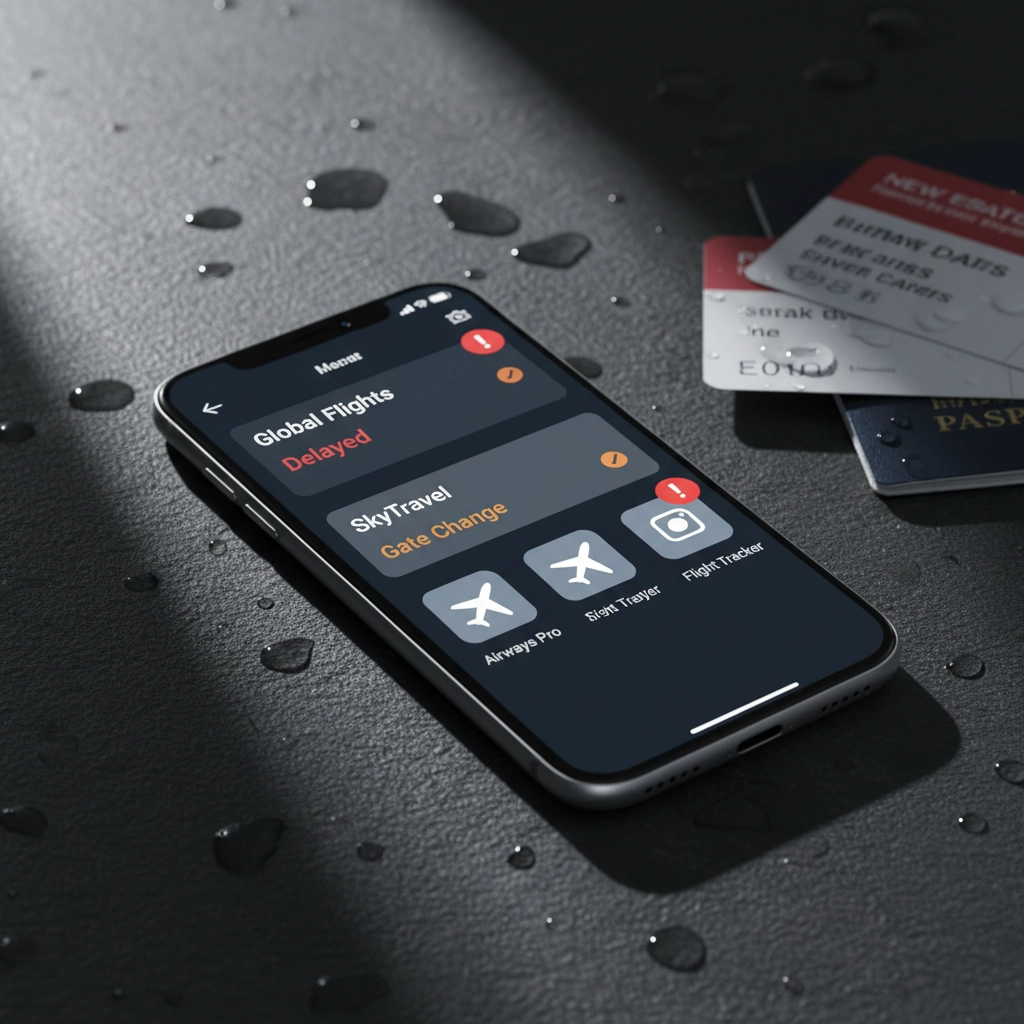
Stay connected with your airline through their app, not just email updates. Airlines are updating flight statuses more frequently through their apps during this disruption period.
How We're Adapting Our Service
At Huntley Hills Airport Transportation, we're monitoring the situation daily and adjusting our recommendations for clients. We're building in extra buffer time for all airport runs and offering more flexible scheduling options.
If your flight gets delayed or canceled, we're working with passengers to adjust pickup times or reschedule without additional fees. The goal is removing one stress factor from your travel experience when everything else feels unpredictable.
Looking Ahead
Government shutdowns don't last forever, but this one could stretch on for weeks. The longer it goes, the worse the staffing situation becomes at TSA and air traffic control facilities.
If you have flexibility in your travel dates, consider postponing non-essential trips until the shutdown resolves. If you must travel, plan for significant delays and build buffer time into every part of your journey.
The smart money is on booking reliable ground transportation early and choosing providers who understand the current situation. When flight schedules become unpredictable, having flexible, responsive airport transportation becomes even more valuable.
For current booking and to discuss flexible scheduling options, visit our online booking page or contact us directly to talk through your specific travel needs during these challenging times.


Comments
Post a Comment