SHUTDOWN NEWS
Airport Chaos Expected November 7: How Chicago Suburban Travelers Can Prepare for Flight Delays and Shutdowns
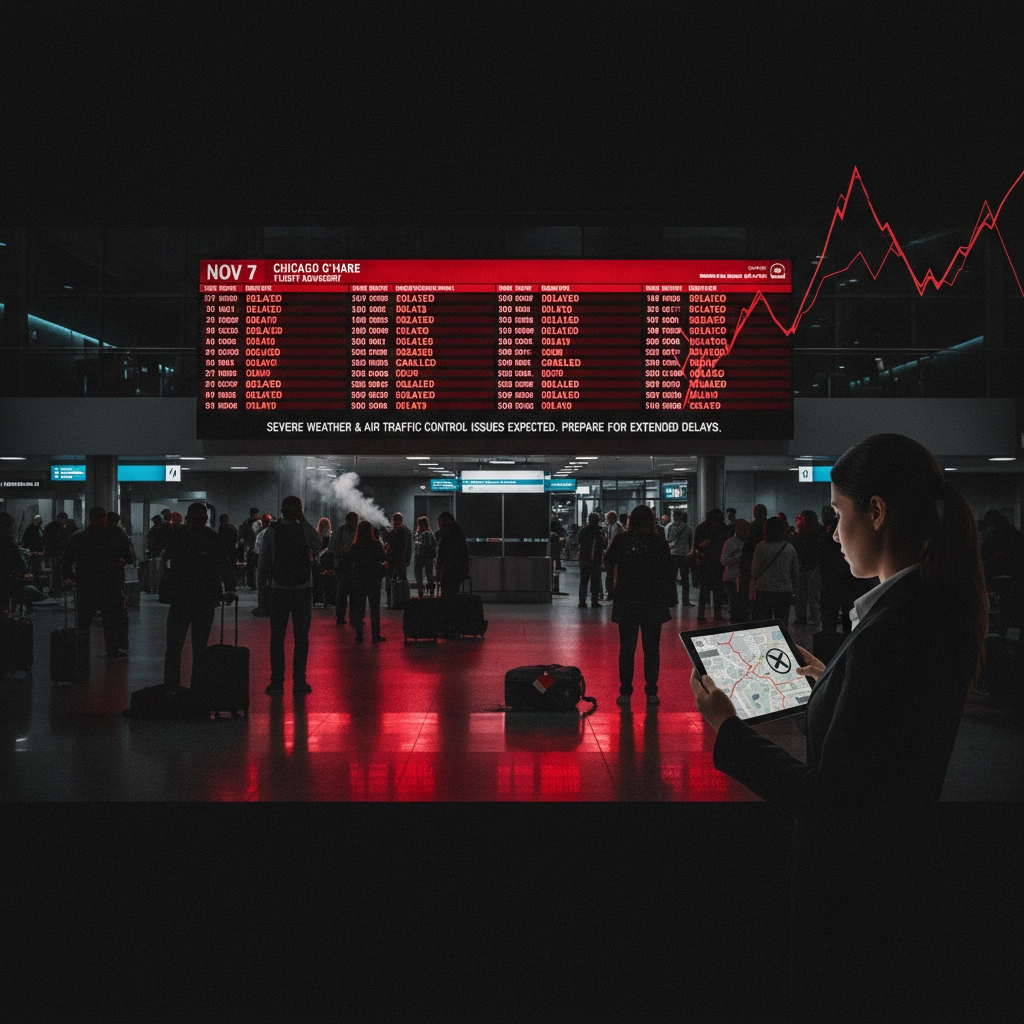
Tomorrow marks a critical day for air travel across the United States. Starting November 7, 2025, the Federal Aviation Administration will implement a 10% flight reduction at major airports nationwide, including Chicago's O'Hare and Midway. This decision comes as the government shutdown enters its second month, creating unprecedented challenges for travelers.
The situation affects everyone traveling through Chicago-area airports. Flight cancellations, extended delays, and hours-long security lines are expected to become the norm rather than the exception.
What's Behind the Chaos
The current crisis stems from severe staffing shortages across multiple federal agencies. Air traffic controllers have been working without pay since October 1, when the government shutdown began. Most controllers are now working mandatory overtime six days per week, leading to widespread sick calls and staffing gaps.
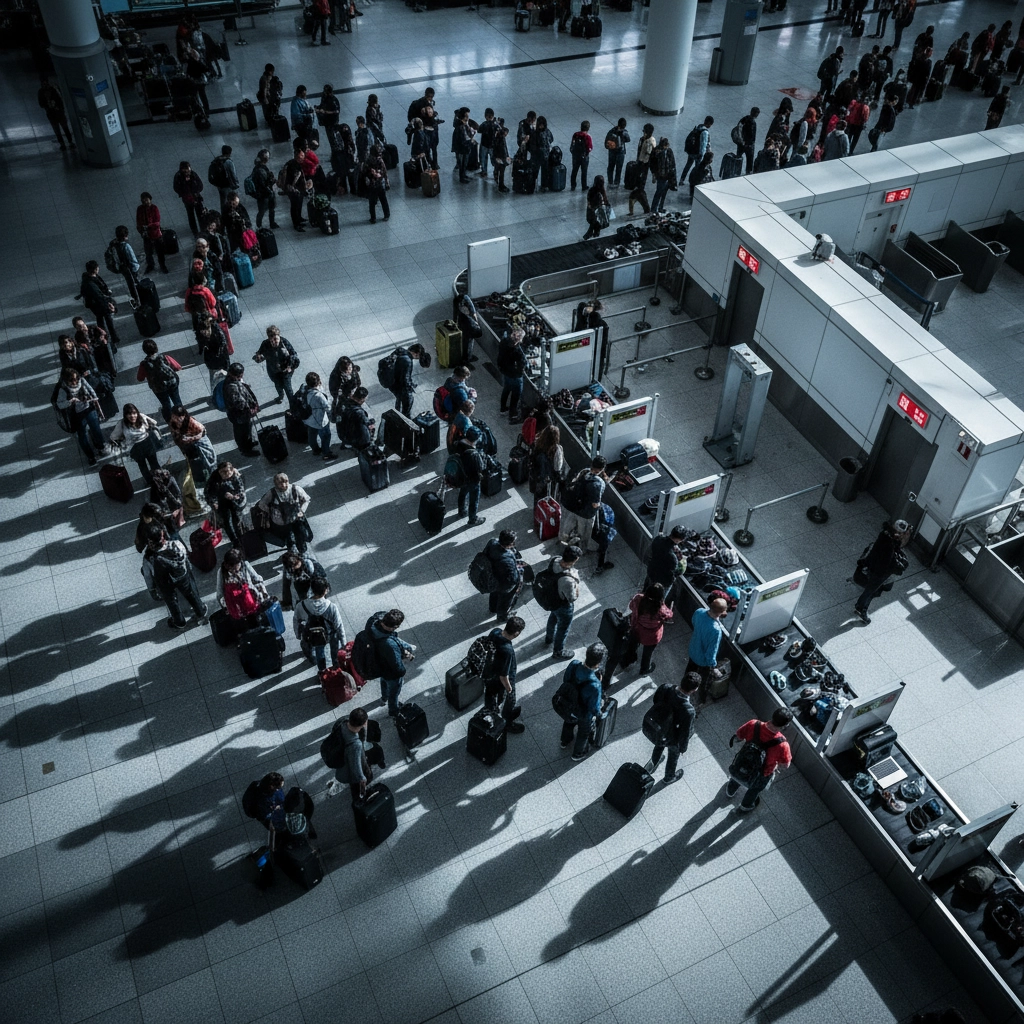
TSA agents face similar challenges. Many have called in sick or taken leave, creating bottlenecks at security checkpoints nationwide. Reports from recent days show security lines stretching for hours at major airports, with some passengers missing flights despite arriving early.
The FAA has identified 40 "high-volume markets" where flight reductions will take effect immediately. Chicago sits at the center of this disruption, with both O'Hare and Midway expected to see significant impacts.
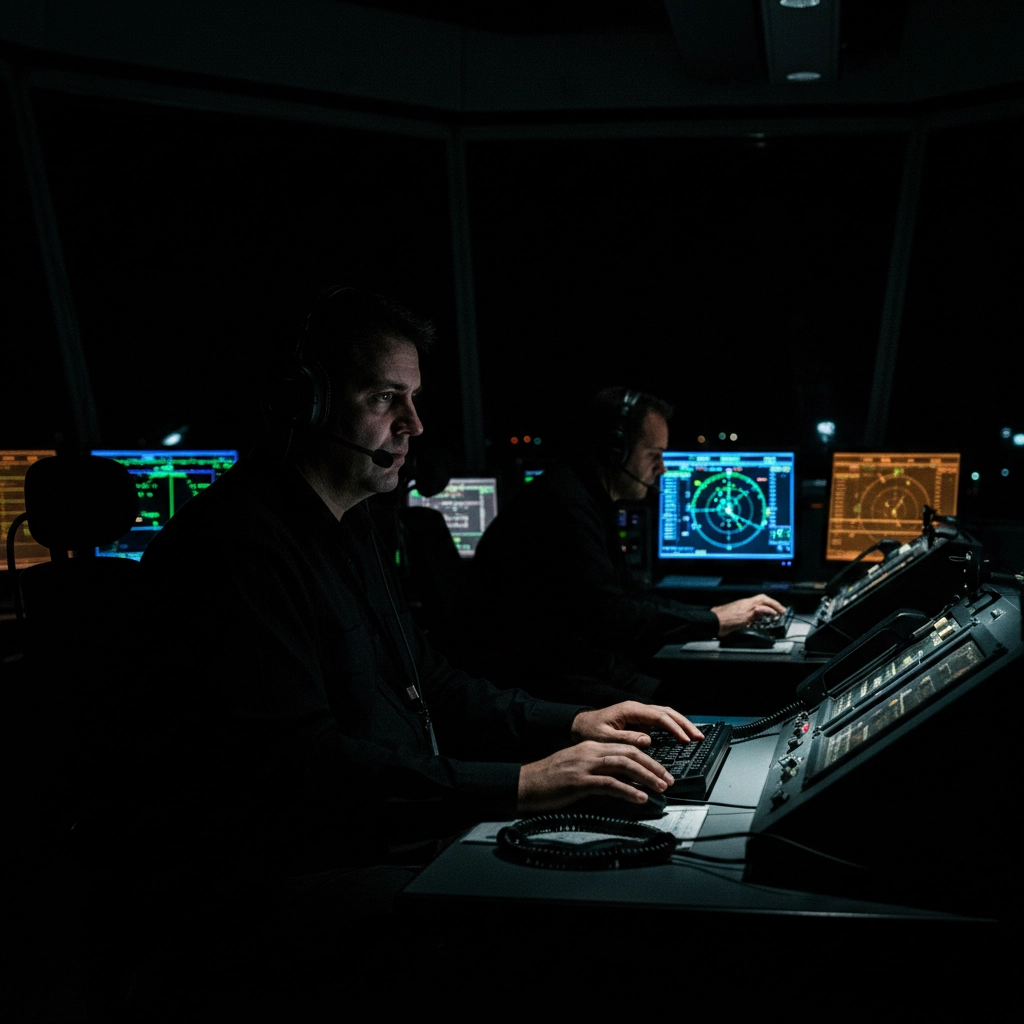
Transportation Secretary Sean Duffy warned that mass cancellations and potential airspace closures could follow if conditions worsen. FAA Administrator Bryan Bedford described the situation as "new territory," noting he had never seen such measures implemented in his 35-year aviation career.
Expected Impact on Chicago Area Travelers
Chicago's position as a major hub means disruptions here ripple across the entire national air travel system. O'Hare, one of the world's busiest airports, processes over 80 million passengers annually. Even small disruptions create massive delays.
Starting tomorrow, expect these conditions at Chicago-area airports:
Flight Cancellations: Airlines are already making rolling updates to their schedules. United Airlines, a major O'Hare carrier, has begun proactively canceling flights to avoid last-minute disruptions.
Extended Security Lines: TSA checkpoint wait times of two to three hours are becoming common. Some passengers report waiting over four hours during peak travel periods.
Air Traffic Delays: Reduced air traffic control staffing means longer ground delays and extended taxi times. Flights that do operate may sit on tarmacs for extended periods.
Gate Changes and Delays: Last-minute operational changes will become more frequent as airlines work around staffing and scheduling constraints.
The timing creates additional concerns for upcoming Thanksgiving travel. Industry experts fear a complete travel meltdown during the peak holiday season if conditions don't improve.
Essential Preparation Steps for Travelers
Smart preparation can help you navigate these challenging conditions. Here's what Chicago suburban travelers need to know:
Check Flight Status Constantly
Airlines are updating schedules throughout the day. Check your flight status every few hours, starting the day before travel. Download your airline's mobile app for real-time notifications.
Sign up for text alerts from your airline. These often provide faster updates than email notifications or app alerts.
Arrive Extra Early at Airports
The standard two-hour domestic arrival recommendation no longer applies. Plan to arrive at least three hours before domestic flights and four hours before international departures.
Consider this additional time non-negotiable. Missing a flight due to security delays could mean waiting days for the next available seat.
Pack Strategic Carry-Ons
With potential luggage handling delays, pack essentials in carry-on bags. Include medications, change of clothes, phone chargers, and any items you need immediately upon arrival.
Avoid packing items that could slow security screening. Review TSA guidelines carefully and remove any questionable items before heading to the airport.
Know Your Rights and Options
Understand your airline's policies for flight changes and cancellations. Many carriers have relaxed change fees during the shutdown, but policies vary.
Research alternate airports within driving distance. Milwaukee's Mitchell International Airport, about 90 minutes from most Chicago suburbs, might offer better options for some travelers.
Consider travel insurance if you haven't already purchased it. Some policies cover additional expenses resulting from government actions or severe delays.
Plan Ground Transportation Carefully
Airport parking lots may experience unusual congestion as travelers arrive extra early. Consider alternatives to driving and parking at the airport.
This situation makes reliable ground transportation more valuable than ever. Professional airport transportation services can navigate changing conditions and ensure you reach the airport on time, regardless of traffic or other delays.
How Huntley Hills Airport Transportation Can Help
During chaotic travel periods, reliable ground transportation becomes essential. Huntley Hills Airport Transportation offers several advantages over driving yourself or using rideshare services:
Guaranteed Service: Unlike rideshare apps that may have limited availability during high-demand periods, professional airport transportation provides confirmed pickups regardless of conditions.
Local Expertise: Our drivers monitor flight delays and airport conditions continuously. We adjust pickup times based on current airport wait times and traffic conditions.
Stress-Free Experience: Let someone else handle the driving while you focus on checking flight updates and preparing for potential delays. You can use travel time productively instead of dealing with traffic stress.
Flexible Scheduling: We accommodate early departures and last-minute schedule changes better than other transportation options. Our online booking system makes reservations simple and quick.

Additional Survival Tips
Beyond basic preparation, these strategies can help minimize travel disruption:
Communicate with Airlines Directly
Don't rely solely on websites and apps. Call airline customer service for personalized assistance with rebooking or changes. Wait times may be long, but speaking with a representative often yields better solutions.
Consider Alternative Routes
If your original flight faces cancellation, ask about routing through different cities. Sometimes traveling through a less affected hub can get you to your destination faster than waiting for direct flights to resume.
Stay Flexible with Dates
If your travel plans allow flexibility, consider moving your trip earlier or later. Flying on different days might avoid the worst disruptions.
Prepare for Extended Airport Waits
Bring entertainment, phone chargers, and snacks. Airport restaurants may face longer lines and limited staffing during this period.
Consider purchasing airport lounge access for more comfortable waiting areas, though these may also experience crowding.
Monitor Multiple Information Sources
Follow your airline's social media accounts for updates. Airlines often post real-time information on Twitter and Facebook before updating their websites.
Check the FAA's System Operations Center website for nationwide air traffic information. This provides broader context about system-wide delays and conditions.
The Bigger Picture
This situation highlights the interconnected nature of air travel systems. When one component faces stress, the entire network feels the impact. Chicago's central role in the national air traffic system means disruptions here affect travelers nationwide.
The current crisis also demonstrates the importance of having backup plans. Travelers who built flexibility into their schedules and considered alternative transportation options are better positioned to handle disruptions.

What Happens Next
The flight reductions beginning November 7 represent just the start of potential disruptions. If the government shutdown continues, conditions may worsen before they improve.
Airlines are working to minimize passenger impact, but their options remain limited while federal agencies operate with skeleton crews. The aviation industry depends heavily on federal oversight and services that are currently compromised.
Travelers should prepare for an extended period of disrupted air travel. Those with upcoming trips should begin planning alternatives now, rather than waiting for last-minute solutions.
Moving Forward
While the current situation creates significant challenges, preparation and flexibility can help travelers navigate these difficult conditions. Understanding what to expect allows you to make informed decisions about your travel plans.
Remember that airline and airport staff are working under extremely challenging conditions. Patience and understanding go a long way during stressful travel situations.
For Chicago suburban travelers, the key to successful travel during this period lies in thorough preparation, flexible scheduling, and reliable ground transportation to ensure you reach the airport when needed, regardless of changing conditions.
Stay informed, plan ahead, and consider all your transportation options. With proper preparation, you can successfully navigate even these challenging travel conditions.


Comments
Post a Comment